
The entryway is the first space people see when they walk into your home. It sets the tone for everything that follows. Whether your home is modern, minimalist, or culturally expressive, the entryway is your opportunity to create an immediate impression.
Despite its importance, the entryway is often overlooked. Many homes leave this space under-decorated or treated as purely functional. However, with the right wall art, even a small entryway can feel intentional, welcoming, and visually striking.
Below is a complete guide to using wall art to transform your entryway into a space that makes a lasting first impression.
1. Treat the Entryway as a Statement Space
The entryway should not feel like a transition—it should feel like an introduction.
Wall art helps establish this by:
- Defining the tone of your home
- Showcasing your style immediately
- Creating visual interest right at the entrance
Think of your entryway as the opening chapter of your home’s story.
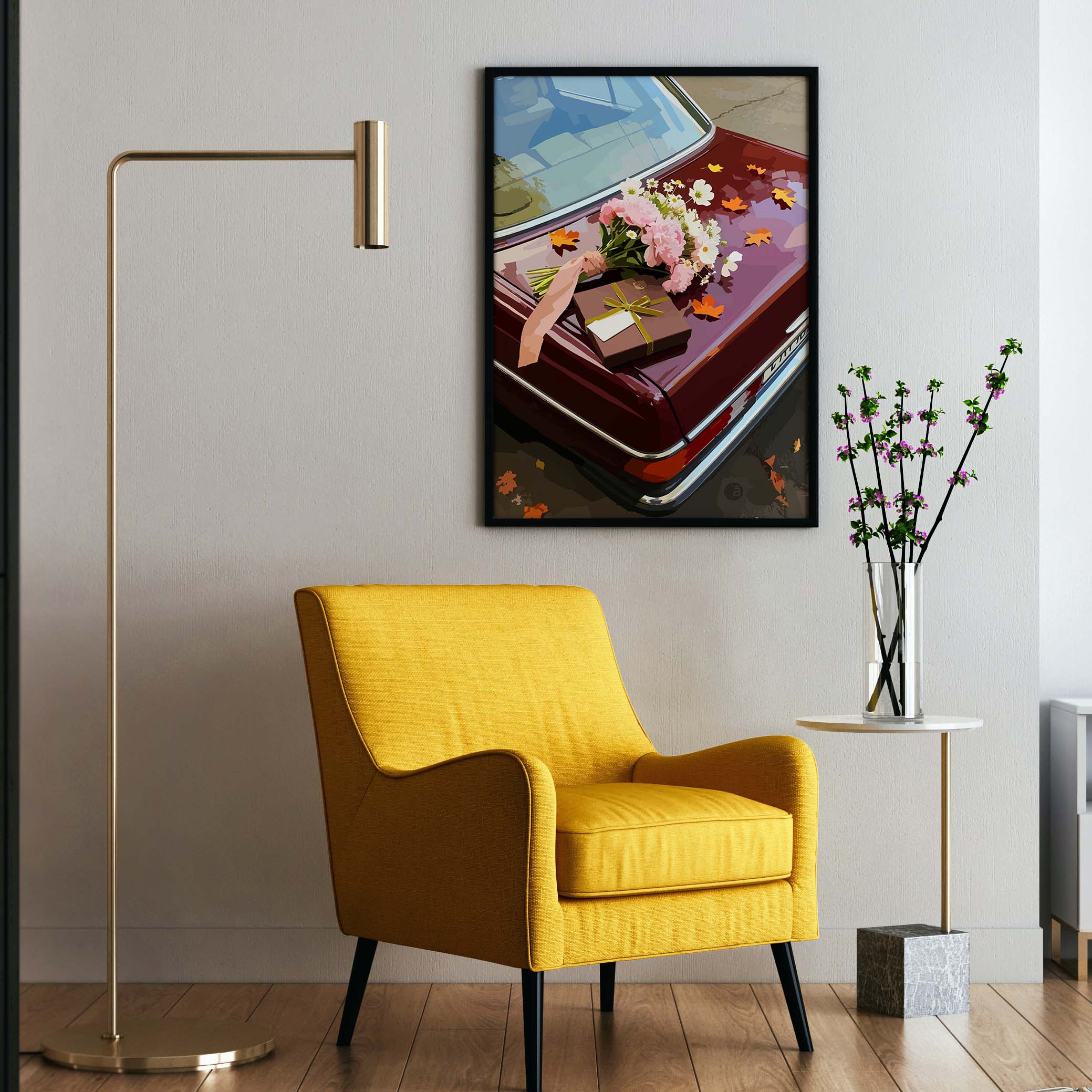
Smard Art pieces are often used in entryways for this reason—they provide immediate visual impact and set a clear aesthetic direction.
2. Choose a Strong Focal Piece
The most effective entryways have a clear focal point.
Instead of using multiple small decorations, consider one strong artwork that anchors the space.
A focal piece:
- Draws attention immediately
- Simplifies the design
- Creates a clean and confident look
Oversized or medium-sized statement art works best, especially in entryways with limited space.
3. Match the Scale to the Wall Size
Proper scale is essential in entryway design.
If the artwork is too small, it may feel insignificant. If it’s too large, it can overwhelm the space.
Guidelines include:
- For narrow entryways → use vertical artwork
- For wider walls → use horizontal or medium-to-large pieces
- Above console tables → artwork should be about 60–75% of the table width
This ensures the space feels balanced.
4. Use Vertical Art to Enhance Height
Many entryways are narrow or compact. Vertical artwork can help make these spaces feel taller and more open.
Tall pieces:
- Draw the eye upward
- Create a sense of height
- Add elegance to small areas
This technique is especially useful in apartments or homes with limited entry space.
5. Keep the Design Clean and Uncluttered
Because entryways are often smaller spaces, it’s important to avoid overcrowding.
Instead of filling the wall with multiple items, focus on:
- One main artwork
- Minimal supporting décor
- Clean spacing
A clutter-free entryway feels more welcoming and refined.
6. Use Art to Reflect Your Home’s Style
Your entryway should give a preview of your home’s overall aesthetic.
Choose artwork that aligns with your interior style:
- Modern homes → abstract or minimalist art
- Neutral interiors → soft-toned or textured pieces
- Cultural spaces → expressive or identity-driven artwork
Consistency creates a seamless transition from entryway to the rest of the home.
Smard Art collections are designed to fit various styles, making it easier to maintain this consistency.

7. Incorporate Color Thoughtfully
Color can influence how welcoming your entryway feels.
Warm tones such as:
- Terracotta
- Gold
- Soft brown
create a cozy and inviting atmosphere.
Cool tones can create a calm and modern feel.
Choose colors that reflect the mood you want to set as people enter your home.
8. Pair Wall Art With Functional Elements
Entryways often include functional furniture such as console tables, benches, or storage units.
Wall art should complement these elements.
For example:
- Artwork centered above a console table
- A mirror paired with artwork to reflect light
- Decorative accents placed below the art
This creates a cohesive and practical design.
9. Use Lighting to Highlight the Artwork
Lighting enhances the impact of wall art, especially in entryways that may lack natural light.
Consider:
- Wall sconces
- Picture lights
- Warm overhead lighting
Proper lighting ensures the artwork remains visible and inviting at all times.
10. Add Personality Through Meaningful Art
The entryway is a great place to showcase artwork that reflects your identity.
Meaningful art:
- Creates a personal connection
- Makes guests feel welcomed
- Adds depth to the space
Whether it’s abstract, portrait-based, or culturally inspired, choose pieces that resonate with you.
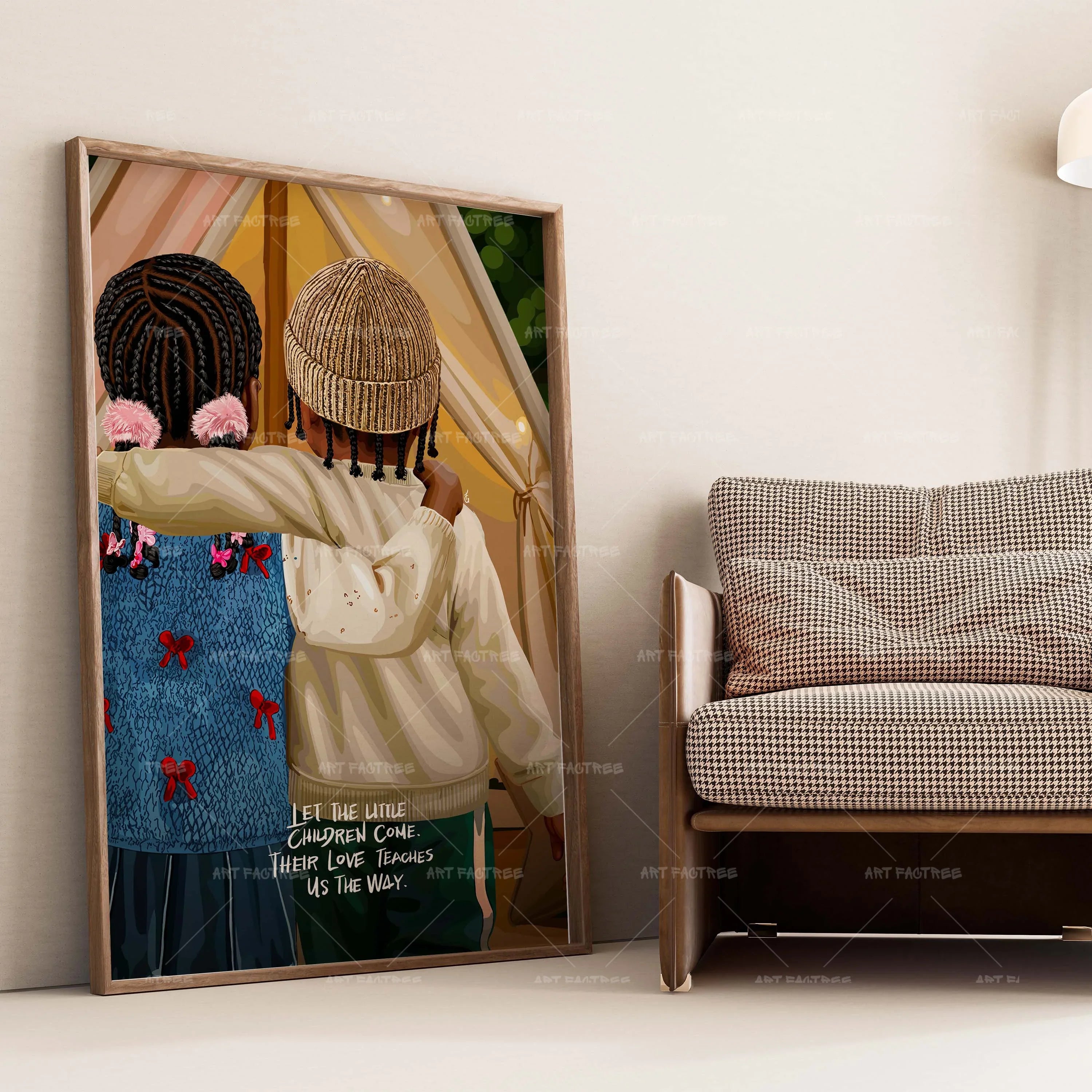
Smard Art emphasizes expressive and meaningful designs that help homeowners create entryways with personality.
11. Use Symmetry for a Polished Look
Symmetry can make entryways feel more organized and elegant.
Examples include:
- Centered artwork above furniture
- Matching décor on either side
- Balanced spacing
This approach works especially well in formal or modern homes.
12. Keep the Space Adaptable
Entryways often evolve over time as décor or furniture changes.
Choose wall art that can adapt easily to these changes.
Timeless pieces with balanced colors and styles tend to remain relevant longer.
Conclusion
Decorating an entryway with wall art is one of the simplest ways to create a strong first impression. By choosing the right size, style, and placement, you can transform a small or overlooked space into a welcoming and visually impactful area.
The key is to focus on clarity, balance, and intention.
When done thoughtfully, wall art—such as the carefully curated pieces from Smard Art—can turn your entryway into a space that not only welcomes guests but also introduces the personality and style of your home from the very first step inside.

Leave a comment
This site is protected by hCaptcha and the hCaptcha Privacy Policy and Terms of Service apply.