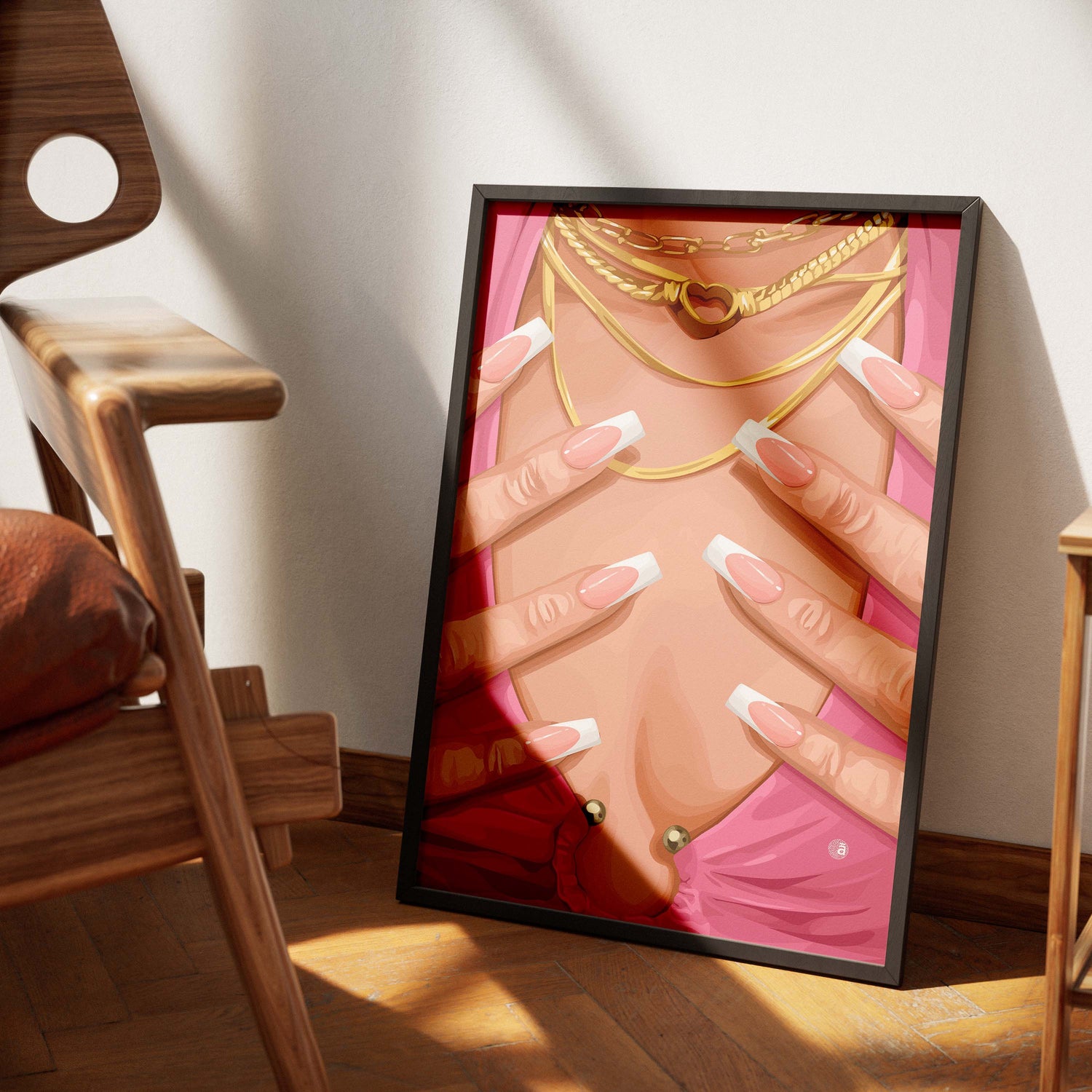
The bedroom is one of the most personal spaces in a home. It is where you rest, recharge, and disconnect. Because of this, the design should feel calm, balanced, and intentional. While wall art can enhance the atmosphere, layering too many pieces or arranging them poorly can quickly make the room feel overwhelming.
Layering wall art in a bedroom is not about adding more—it is about arranging thoughtfully. When done correctly, layered art can add depth, personality, and visual interest while still maintaining a peaceful environment.
Below is a complete guide to layering wall art in a bedroom without making it feel busy.
1. Start With One Primary Anchor Piece
Every layered arrangement needs a foundation.
Begin with one main artwork that serves as the focal point. This piece should be:
- Larger than the surrounding pieces
- Positioned centrally (often above the bed)
- Visually strong but not overwhelming
This anchor piece sets the tone for the entire arrangement.
Smard Art’s statement pieces are often used as anchors because they provide a clear focal point while allowing room for subtle layering around them.
2. Limit the Number of Pieces
One of the biggest mistakes in bedroom styling is using too many artworks.
To keep the space calm:
- Stick to 2–5 pieces total in a layered arrangement
- Avoid overcrowding the wall
- Focus on quality over quantity
A few well-chosen pieces will feel more intentional than a crowded wall.
3. Maintain Consistent Spacing
Spacing is critical when layering art.
Keep gaps between pieces consistent—typically 2 to 3 inches.
Consistent spacing:
- Creates visual order
- Prevents clutter
- Helps the eye move smoothly across the arrangement
Irregular spacing can make the wall feel chaotic, even if the artwork itself is minimal.
4. Use a Cohesive Color Palette
Color harmony plays a major role in keeping the bedroom calm.
Choose artwork that shares:
- Similar tones
- Complementary colors
- A consistent palette
For example, soft neutrals, muted earth tones, or monochrome palettes work well in bedrooms.
Smard Art collections often include coordinated color schemes, making it easier to build cohesive arrangements.
5. Mix Sizes Carefully
Layering works best when there is variation in size—but it must be balanced.
A good approach includes:
- One larger anchor piece
- One or two medium pieces
- Optional smaller accents
Avoid placing all large or all small pieces together. Balanced sizing creates a natural visual flow.
6. Keep the Arrangement Centered
In bedrooms, especially above the bed, alignment is key.
The layered arrangement should:
- Be centered with the bed
- Span about 60–75% of the headboard width
- Maintain symmetry or balanced asymmetry
This ensures the artwork feels connected to the furniture.
7. Use Minimal Frames and Clean Designs
Heavy or overly decorative frames can make the space feel crowded.
Instead, opt for:
- Thin frames
- Neutral frame colors (black, wood, or white)
- Frameless canvas options
Clean designs help maintain a light and open feel.

8. Incorporate Subtle Layering Techniques
Layering doesn’t always mean hanging everything directly on the wall.
You can also:
- Lean smaller frames against the wall on a shelf
- Overlap pieces slightly for depth
- Combine wall art with minimal décor
These techniques add dimension without increasing visual clutter.
9. Balance Detail With Simplicity
If one artwork is detailed or expressive, balance it with simpler pieces.
For example:
- Pair a bold abstract piece with minimal line art
- Combine a detailed portrait with neutral-toned prints
This contrast prevents the arrangement from feeling overwhelming.
10. Use Soft and Calming Subjects
The subject of the artwork matters just as much as the arrangement.
For bedrooms, consider:
- Abstract art with soft tones
- Nature-inspired pieces
- Minimalist designs
- Calm portrait art
Avoid overly chaotic or high-energy visuals, as they can disrupt the relaxing atmosphere.
11. Leave Negative Space Around the Arrangement
Not every part of the wall needs to be filled.
Leaving space around the artwork:
- Creates breathing room
- Enhances focus on the pieces
- Maintains a calm environment
Negative space is essential for preventing the room from feeling busy.
12. Use Lighting to Enhance the Arrangement
Soft lighting can elevate the look of layered wall art.
Consider:
- Warm bedside lamps
- Subtle wall lighting
- Indirect light that highlights the artwork
Lighting adds depth and makes the arrangement feel more intentional.
13. Keep the Overall Design Intentional
Every piece in the arrangement should feel like it belongs.
Ask yourself:
- Does each artwork contribute to the overall look?
- Is there a clear theme or connection?
- Does the arrangement feel balanced?
Intentional design is what separates a calm layered wall from a cluttered one.
14. Choose Meaningful Art for a Personal Touch
Bedrooms are personal spaces, so the artwork should reflect that.
Meaningful pieces:
- Create emotional connection
- Add authenticity
- Make the space feel uniquely yours
Smard Art emphasizes expressive and thoughtful designs, making it easier to build layered arrangements that feel personal rather than decorative.
Conclusion
Layering wall art in a bedroom is about balance, not quantity. By starting with a strong anchor piece, maintaining consistent spacing, using cohesive colors, and limiting the number of elements, you can create a layered look that feels calm and refined.
When done thoughtfully, layered wall art adds depth and personality without disrupting the peaceful atmosphere of the bedroom.
With the right approach, your walls can become a subtle yet powerful part of your space—enhanced by carefully curated pieces like those from Smard Art.

Leave a comment
This site is protected by hCaptcha and the hCaptcha Privacy Policy and Terms of Service apply.