
How to Use Wall Art to Make a Small Room Feel Bigger
Small rooms can feel limiting, especially when they lack natural light or have minimal floor space. While furniture placement and lighting play important roles, one of the most effective—and often overlooked—ways to make a room feel larger is through wall art.
Wall art has the power to reshape how we perceive space. With the right size, color, and placement, it can visually expand walls, create depth, and make a room feel more open and inviting.
Below are practical strategies for using wall art to make a small room feel bigger.
1. Use Large-Scale Art Instead of Multiple Small Pieces
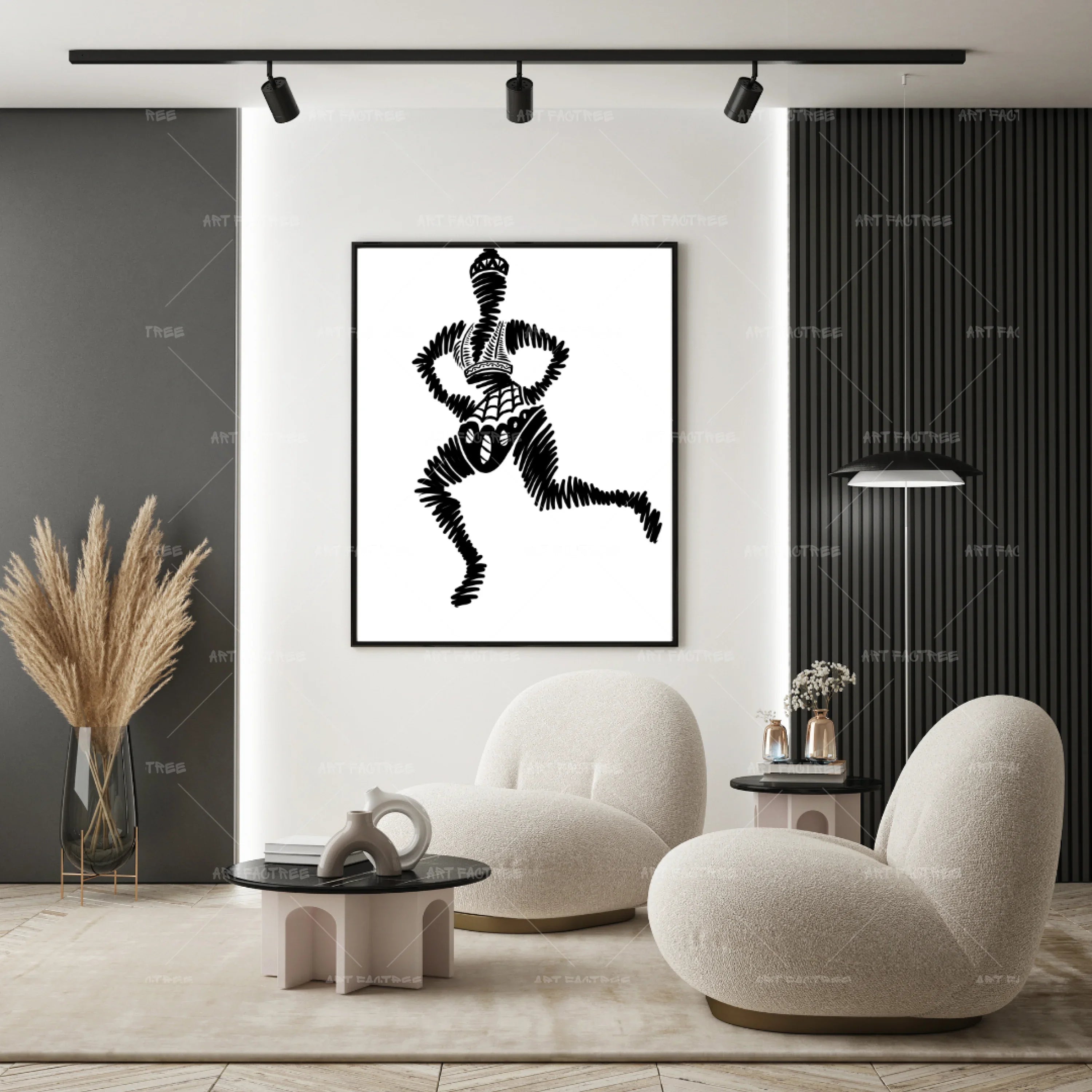
It may seem counterintuitive, but one large piece of artwork is often more effective than several small ones in a small room.
Multiple small frames can:
- Break up the wall visually
- Create clutter
- Make the space feel busy
A single large artwork, on the other hand:
- Creates a clean focal point
- Reduces visual fragmentation
- Makes the wall feel more expansive
Large-format pieces from Smard Art are particularly effective in small spaces because they simplify the visual layout while adding impact.
2. Choose Light or Neutral Color Palettes
Color plays a major role in how spacious a room feels.
Light and neutral tones reflect more light, which helps the room feel open and airy.
Ideal color choices include:
- Soft whites
- Beige and cream tones
- Light greys
- Muted pastels
Artwork with these tones blends seamlessly with the wall, creating the illusion of more space.
3. Use Horizontal Art to Expand Width
The orientation of artwork can influence how a room is perceived.
Horizontal artwork stretches across the wall, making it appear wider.
This is especially useful for:
- Narrow living rooms
- Small bedrooms
- Compact dining areas
A wide piece above furniture, such as a sofa or bed, can visually extend the room’s dimensions.
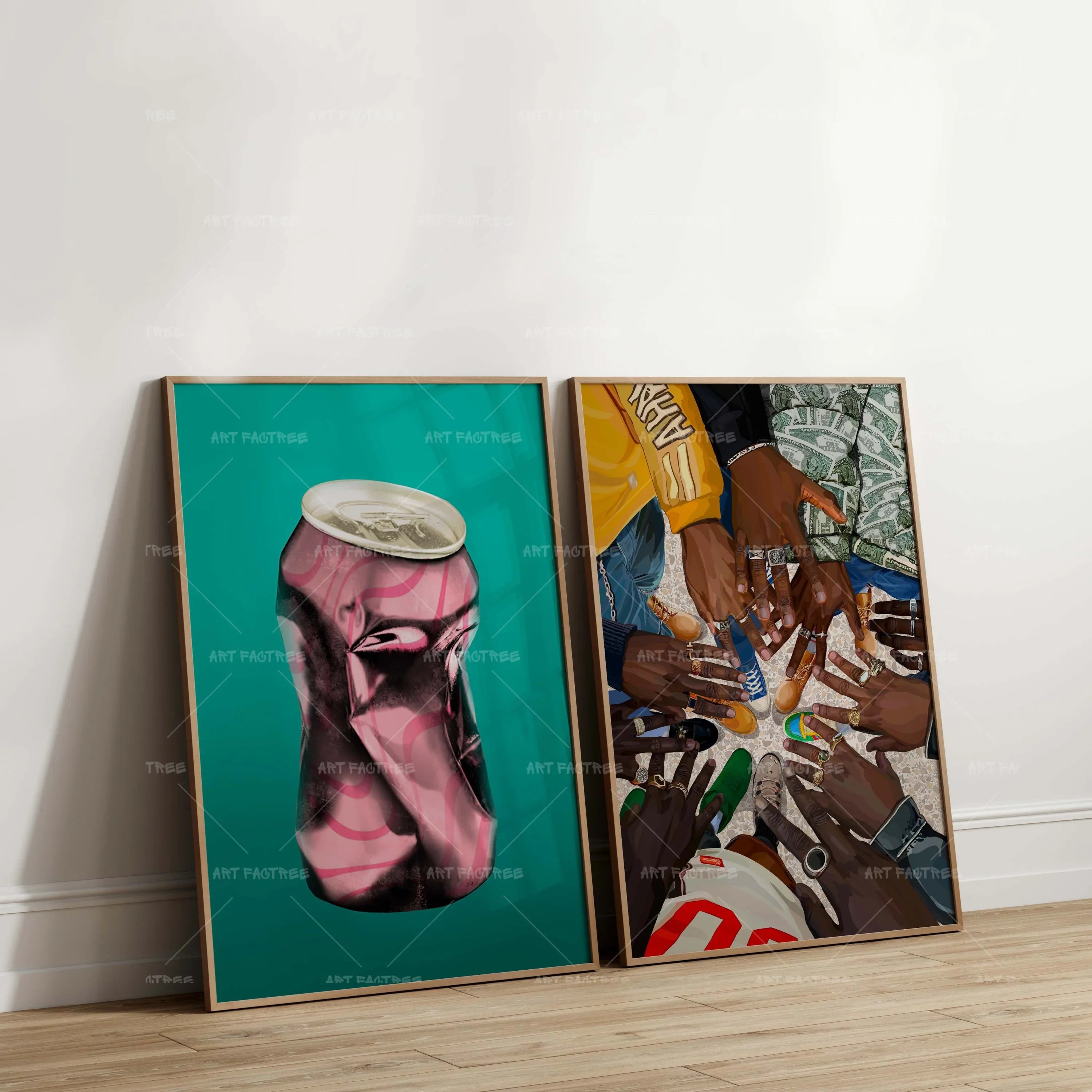
4. Use Vertical Art to Emphasize Height
If your room feels short or compressed, vertical artwork can help.
Tall pieces draw the eye upward, making the ceiling appear higher.
Vertical art works well in:
- Small entryways
- Narrow walls
- Rooms with low ceilings
This technique adds a sense of height and openness.
5. Keep Wall Arrangements Simple
Simplicity is key in small spaces.
Overly complex wall arrangements can make the room feel crowded. Instead, focus on clean, minimal layouts.
Tips include:
- Use one main focal piece
- Limit the number of frames
- Avoid overly dense gallery walls
A simple arrangement creates visual clarity, which helps the room feel larger.
6. Use Art With Depth and Perspective
Artwork that includes depth—such as landscapes, abstract gradients, or layered compositions—can create the illusion of distance.
This makes the wall feel less flat and more expansive.
Examples include:
- Horizon landscapes
- Abstract art with layered tones
- Perspective-based designs
These styles visually “open up” the wall.

7. Incorporate Mirrors Alongside Art
While technically not artwork, mirrors can be combined with wall art to enhance the sense of space.
Mirrors reflect light and create depth, making the room feel larger.
You can:
- Pair a mirror with a nearby artwork
- Use mirrors as part of a minimal gallery wall
- Place mirrors opposite windows
This combination enhances both brightness and openness.
8. Use Contrast Carefully
While contrast adds visual interest, too much contrast can make a small room feel fragmented.
Instead, aim for controlled contrast:
- Use artwork that stands out slightly from the wall
- Avoid overly harsh color differences
- Maintain harmony within the palette
This ensures the artwork enhances the space without overwhelming it.
9. Align Artwork With Furniture
Proper alignment creates a sense of order, which makes a room feel more spacious.
Guidelines include:
- Center artwork above furniture
- Keep consistent spacing between elements
- Maintain proportion with furniture size
For example, artwork above a sofa should be about 60–75% of the sofa width.
This alignment helps the room feel organized rather than cramped.
10. Leave Some Walls Intentionally Empty
One of the most effective ways to make a small room feel bigger is to avoid overdecorating.
Not every wall needs art.
Leaving some areas empty:
- Creates breathing room
- Highlights key pieces
- Maintains a clean aesthetic
Strategic emptiness enhances the impact of the artwork you do use.
11. Choose Minimal Frames and Clean Designs
Bulky frames or overly ornate designs can make small rooms feel heavy.
Instead, choose:
- Slim frames
- Frameless canvas art
- Minimalist designs
These options keep the visual weight light and allow the room to feel more open.
Smard Art’s clean, modern pieces are often well-suited for small spaces because they emphasize simplicity and balance.
12. Use Art to Draw Attention to Key Areas
In a small room, directing attention is important.
Place artwork in areas you want to highlight, such as:
- Above a sofa
- Above a bed
- On the main wall
This creates a focal point and helps the room feel structured.
Conclusion
Wall art is a powerful tool for transforming small spaces. By choosing the right scale, color, orientation, and placement, you can make a room feel larger, brighter, and more open.
The key is to focus on simplicity, balance, and intentional design.
When used thoughtfully, wall art—such as the carefully curated pieces from Smard Art—can reshape how a space is experienced, turning even the smallest room into a visually expansive and inviting environment.

Leave a comment
This site is protected by hCaptcha and the hCaptcha Privacy Policy and Terms of Service apply.