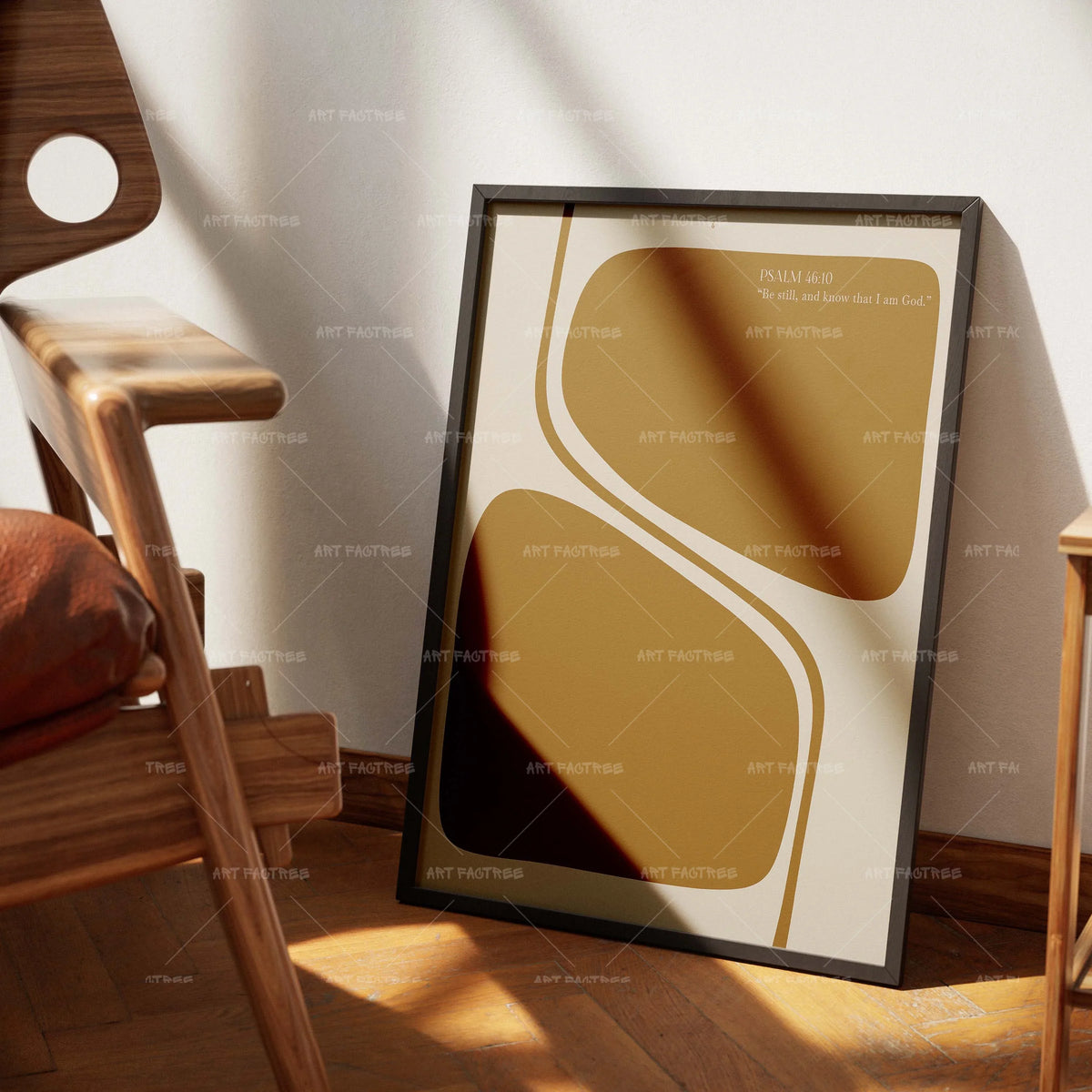
Walk into any beautifully designed home and you will notice one thing almost immediately: the walls tell a story. While furniture provides function and comfort, wall art brings personality, emotion, and visual balance. It transforms empty walls into meaningful design features and often becomes the element people remember most about a room.
Yet choosing wall art can feel overwhelming. With countless styles, sizes, colors, and formats available, many homeowners struggle to know where to start. The good news is that selecting wall art doesn't have to be complicated. Once you understand a few key principles, it becomes much easier to find pieces that complement your space and reflect your personal style.
This guide covers everything you need to know about wall art, from selecting the right style and size to placing it correctly and creating a cohesive look throughout your home.
Why Wall Art Matters
Wall art does much more than fill empty space. It helps define the atmosphere of a room and influences how people experience it. A thoughtfully chosen piece can make a space feel warm, sophisticated, energetic, calming, or deeply personal.
Without wall art, even well-furnished rooms can feel unfinished. Walls provide a large portion of a room's visual landscape, and leaving them completely bare often creates a sense of emptiness. Artwork helps connect furniture, colors, and architectural elements into a cohesive design.
Wall art also serves as a form of self-expression. It communicates interests, values, memories, and personal taste in a way few other décor elements can.
Understanding the Different Types of Wall Art
One of the first steps in choosing wall art is understanding the various formats available.
Canvas wall art remains one of the most popular options. Printed on canvas and stretched over a wooden frame, it offers a modern, gallery-inspired appearance that works well in many interior styles. Canvas art is particularly effective in larger sizes because it feels substantial without becoming visually heavy.
Framed prints provide a more structured and traditional look. The frame itself becomes part of the design, adding definition and contrast. Framed prints work especially well in gallery walls and curated collections.
Abstract wall art focuses on color, shape, and movement rather than recognizable subjects. It is versatile, timeless, and often used as a statement piece in contemporary interiors.
Photography wall art captures real-world imagery, including landscapes, portraits, architecture, and lifestyle scenes. It adds authenticity and emotional connection to a room.
Typography and quote art use words as visual elements, making them ideal for home offices, creative spaces, and areas where motivation or personal expression is important.
Custom wall art allows homeowners to transform personal photos, illustrations, or designs into unique pieces tailored specifically to their space.
How to Choose the Right Wall Art
Choosing wall art starts with understanding the room itself. Before looking at styles or colors, consider the purpose of the space.
A bedroom typically benefits from calming artwork that promotes relaxation. Soft abstract pieces, nature-inspired art, and minimalist designs often work well.
Living rooms can support bolder choices because they serve as social spaces. Larger pieces, dramatic compositions, and statement artwork often thrive in these environments.
Home offices benefit from art that inspires focus and creativity without becoming distracting. Minimalist art, typography pieces, and balanced abstract designs are particularly effective.
The mood you want to create should influence your selection just as much as aesthetics.
The Importance of Size
One of the most common mistakes people make when purchasing wall art is choosing pieces that are too small.
A useful guideline is that wall art should generally occupy between 60 and 75 percent of the available wall space. This creates visual balance and helps the artwork feel connected to its surroundings.
Above a sofa, artwork should typically span approximately two-thirds of the sofa's width. Above a bed, the artwork should generally be about half to two-thirds the width of the bed.
Oversized wall art has become increasingly popular because it creates strong visual impact while simplifying the design process. One large piece often feels more intentional than several small pieces competing for attention.
Choosing Colors That Work
Color is one of the most powerful tools in wall art selection.
The goal is not necessarily to match every color in the room. Instead, artwork should create harmony with the overall palette. Successful wall art often echoes one or two colors already present in the space while introducing subtle contrast.
Neutral interiors provide the greatest flexibility. Artwork can either reinforce the calm palette or introduce carefully controlled accents.
For colorful rooms, wall art should either support the existing color scheme or provide balance through quieter tones.
Understanding undertones is also important. Warm-toned artwork tends to pair naturally with cream, beige, terracotta, and warm wood finishes. Cooler artwork often works better alongside crisp whites, charcoal tones, and contemporary finishes.

Wall Art Placement Rules
Even beautiful artwork can lose its impact if it is placed incorrectly.
Most interior designers follow a simple rule: artwork should generally be hung at eye level. This usually means positioning the center of the piece approximately 57 to 60 inches from the floor.
When hanging art above furniture, it should feel visually connected to the piece below. Leaving excessive space between artwork and furniture often creates an awkward disconnect.
Scale also matters. Large walls require larger artwork or thoughtfully arranged groupings. Small artwork floating on a large wall rarely creates the desired effect.
Spacing between multiple pieces should remain consistent to maintain visual order.
Wall Art for Every Room
Different rooms have different requirements when it comes to wall art.
Living Rooms
Living rooms often benefit from larger statement pieces. Oversized abstract art, photography, and cultural artwork work particularly well because they create focal points and encourage conversation.
Bedrooms
Bedrooms typically benefit from softer, more calming artwork. Nature-inspired pieces, minimalist designs, and subtle abstract art help support relaxation.
Home Offices
Home offices require balance. Art should be inspiring without becoming distracting. Typography, photography, and restrained abstract pieces are often excellent choices.
Dining Rooms
Dining rooms frequently feature horizontal artwork that complements the shape of the dining table and helps create visual balance.
Hallways and Entryways
These transitional spaces are ideal for gallery walls, photography collections, and smaller curated groupings.
Canvas Wall Art vs Framed Prints
Many homeowners wonder whether canvas wall art or framed prints are the better choice.
Canvas wall art tends to feel more modern, relaxed, and contemporary. It works exceptionally well in larger sizes and avoids glare because there is no glass surface.
Framed prints feel more structured and formal. They excel in gallery wall arrangements and provide a timeless, curated appearance.
Both options can coexist beautifully within the same home when used intentionally.
Creating a Gallery Wall
Gallery walls are a powerful way to display multiple pieces of artwork while adding personality and depth to a space.
The most successful gallery walls maintain some form of consistency, whether through frame color, subject matter, palette, or overall style.
Spacing should remain relatively even, and the arrangement should feel balanced as a whole rather than like a collection of unrelated pieces.
Planning the layout before hanging anything can save significant time and frustration.
Why Custom Wall Art Is Growing in Popularity
Today's homeowners increasingly want spaces that feel personal rather than generic.
Custom wall art allows people to create pieces based on their own photos, experiences, culture, and style preferences. Because custom art is unique, it often feels more meaningful and valuable than mass-produced alternatives.
It also allows for greater flexibility in sizing, color coordination, and overall design.
Current Wall Art Trends
Several wall art trends continue to gain popularity.
Oversized wall art remains a favorite because of its visual impact and simplicity.
Minimalist artwork continues to resonate with homeowners seeking calm and balance.
Nature-inspired art reflects the growing desire for warmth, comfort, and connection to the natural world.
Textured wall art is becoming increasingly popular because it adds depth without relying on bold colors.
Custom and identity-centered artwork continues to grow as people seek more personal and meaningful ways to decorate their homes.
Final Thoughts
Wall art is one of the most effective tools for transforming a space. It influences mood, defines style, creates focal points, and adds personality in ways few other design elements can.
Whether you prefer abstract canvas art, curated gallery walls, photography prints, or custom creations, the key is choosing pieces intentionally. Consider scale, color, placement, and emotional impact. When those elements work together, wall art becomes more than decoration.
It becomes part of the story your home tells every day.


Leave a comment
This site is protected by hCaptcha and the hCaptcha Privacy Policy and Terms of Service apply.