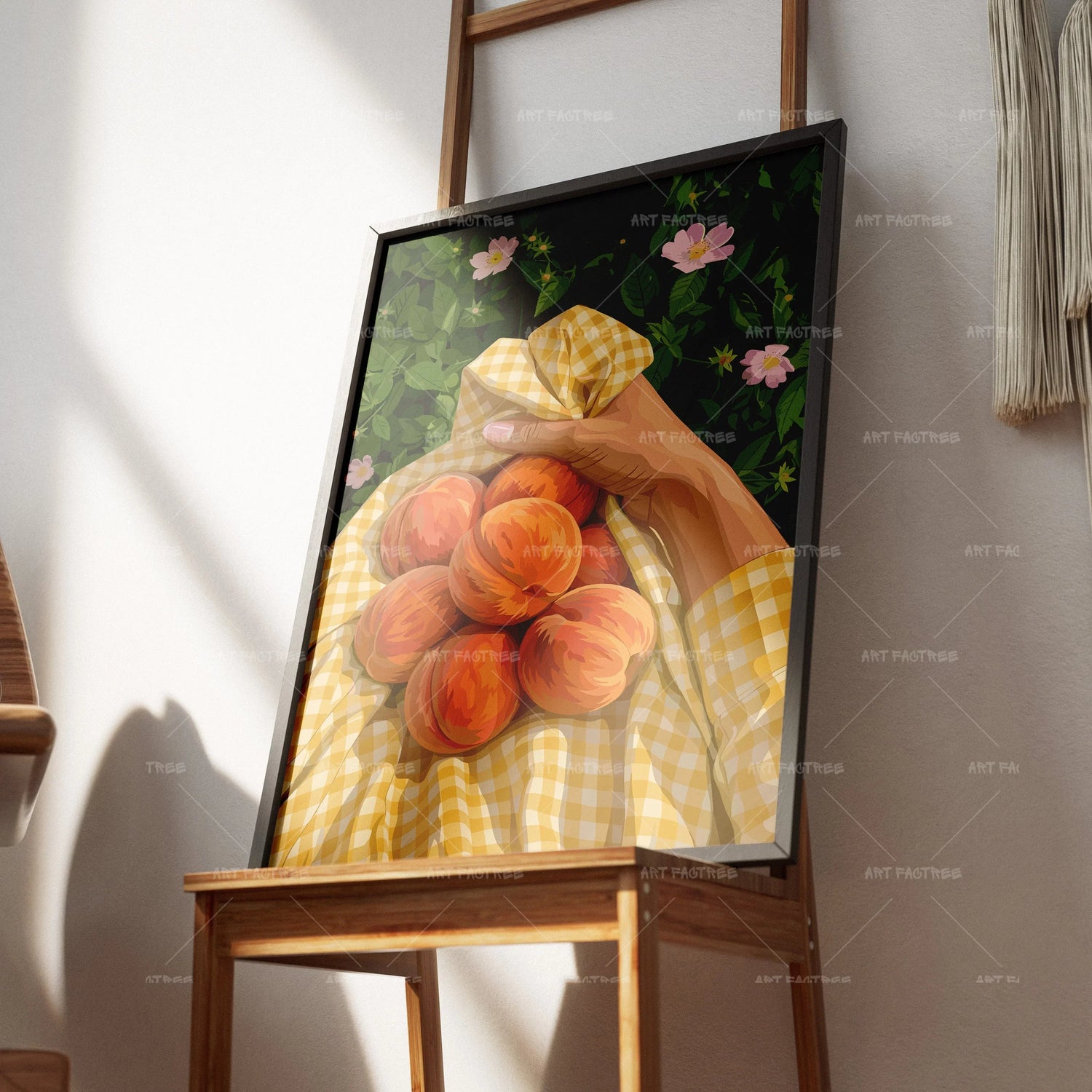
Choosing wall art is not only about finding an image you like. Color plays a major role in whether the art feels integrated into your room or disconnected from it. Even a beautiful piece can feel misplaced if the colors fight with the rest of the space. When the palette works, however, wall art becomes one of the strongest tools for tying a room together.
Matching wall art colors to your interior design does not mean everything has to be the same shade. In fact, rooms often feel more interesting when wall art adds contrast. The goal is not perfect matching. The goal is harmony. That harmony comes from understanding how the colors in the artwork relate to the furniture, walls, textiles, lighting, and mood of the room.
The first step is to identify the dominant colors already present in the space. Look at your sofa, rug, curtains, accent pillows, wood tones, and wall paint. Once you notice the main palette, it becomes easier to choose artwork that feels connected. Often, wall art works best when it repeats one or two of the room’s existing colors rather than all of them. This creates a visual link without making the room feel overly coordinated.
Neutral rooms give you the most flexibility. If your space is built around beige, white, gray, black, or soft earth tones, your wall art can either stay within that calm palette or introduce a controlled pop of color. Art with warm rust, deep blue, muted green, or soft blush tones can bring life into a neutral room without overpowering it. The key is choosing colors that feel intentional rather than random.
If your room already has strong color, the art should work more carefully. In a bold room, wall art can either echo the dominant palette or provide balance through quieter tones. For example, if your furniture and accents are colorful, a more restrained art piece may keep the room from feeling chaotic. If the room is already calm, brighter artwork can become the element that gives it energy.
Undertones matter more than many people realize. Two shades of beige can feel very different depending on whether they lean warm or cool. The same is true for gray, white, green, and blue. Wall art tends to feel more cohesive when its undertones align with the room. Warm-toned art usually works better with warm woods, creams, and terracotta accents. Cool-toned art pairs more naturally with crisp whites, charcoal, and silver or black details.

Another helpful approach is to decide whether you want the wall art to blend in or stand out. If you want a calm and seamless look, choose art that sits comfortably within the room’s palette. This creates softness and flow. If you want the art to act as a focal point, choose a piece with stronger contrast, but make sure at least one color in the artwork connects back to something else in the room. That connection is what keeps contrast from becoming conflict.
Black and white wall art is one of the easiest options when you are unsure about color. It works in nearly every setting because it adds structure and sophistication without introducing another palette decision. Black and white pieces are especially effective in modern or minimalist spaces, where clarity and restraint matter.
Nature-inspired color palettes are also a reliable choice. Greens, browns, blues, and sandy neutrals tend to work well in a wide range of interiors because they already feel familiar and balanced. These tones soften a room and often make it feel more grounded.
Custom wall art can be especially useful when color matching matters. Because the piece can be created with your space in mind, it allows you to reflect your exact palette rather than searching endlessly for something close enough. This is one reason custom art often feels more polished and intentional than off-the-shelf décor.
Lighting also affects how wall art color appears. Natural daylight reveals undertones more clearly, while warm indoor lighting can shift colors slightly. Before finalizing a piece, it helps to think about where the art will be placed and how the room is lit throughout the day.
Choosing the right wall art colors is really about creating conversation between the art and the room. When those elements speak the same visual language, the space feels more complete. Wall art should not feel separate from the design. It should feel like part of it.


Leave a comment
This site is protected by hCaptcha and the hCaptcha Privacy Policy and Terms of Service apply.